The UK in Aubrey: Nukeville Book 1 by Neil Hannam is a nation on the brink—where terror no longer bubbles beneath the surface but flows freely into the streets. A lethal pandemic cancer is decimating the population, causing wholesale casualties and profound distrust of institutions. Neil Hannam does not sensationalize the catastrophe; rather, he depicts a scenario of terror based on reality. As citizens perish in train carriages and mothers rock ill children on commutes, it’s obvious that this is more than a medical crisis—it’s breakdown of society.
Aubrey: Nukeville Book 1, Neil Hannam describes the UK as a country besieged not just by illness but by the breakdown of its public facilities. Hospitals overflow, communications networks collapse in key operations, and the streets of London turn into manic battlefields of survival. Hannam highlights how, in a long-term emergency, even first-world systems start to break down. Whether it’s the failing health service or the clogged-up emergency response teams, Aubrey reveals the vulnerability of the systems we assume will always work.
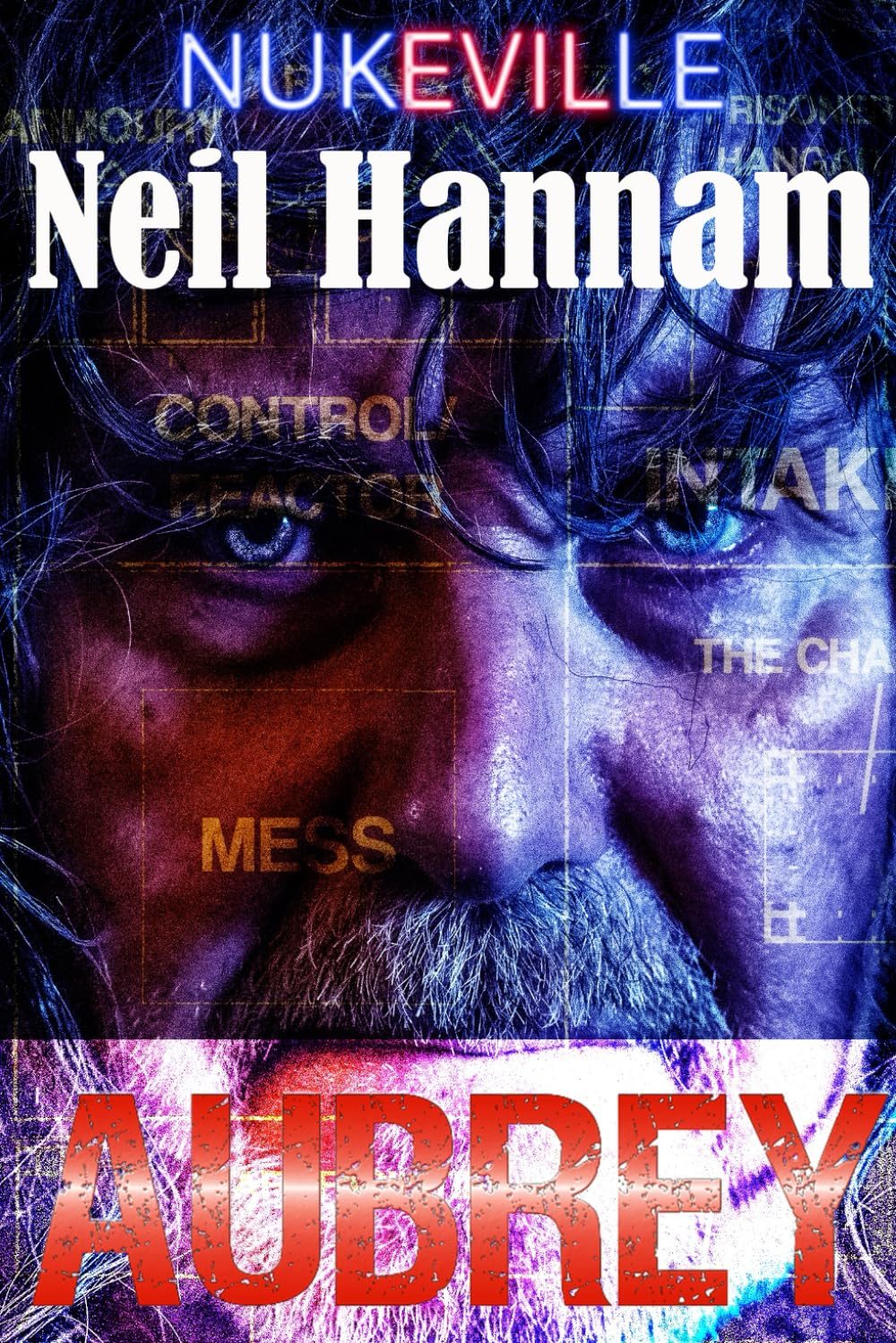
The desperation of the people is evident in Aubrey: Nukeville Book 1. Neil Hannam brings to life scenes of beggars wandering the Underground, commuters ducking away from coughing passengers, and landlords pursuing tenants with anger in their eyes. It’s a living picture of a society devouring itself. As resources run low and fear creeps in, Hannam illustrates how rapidly civility dissolves. The book doesn’t merely depict people dying—it depicts a nation forgetting how to coexist.
Hannam’s London in Aubrey: Nukeville Book 1 is at once familiar and terrifying. Once the beating heart of a successful nation, the city is now a suffocating labyrinth of disease, suspicion, and observation. Neil Hannam employs actual places—from Green Park to St. Pancras Station—to ground his story in the real world, leaving readers with the unsettling impression that this imagined breakdown is just a few lost choices from occurring in our own. The overpopulated subway tunnels and blackened back alleys become human emotional time bombs and systemic failure waiting to happen.
Perhaps the most frightening theme of Aubrey: Nukeville Book 1 is the lack of effective leadership. Neil Hannam suggests that political leadership has failed or vanished altogether, leaving field operatives and mid-level managers grasping at straws. From the struggling health agencies to the impotent police command center, it’s clear that the top has fallen silent—and the bottom is breaking under the strain. Hannam’s universe is not one of fiery revolutions, but gradual, strangling rot from the center outwards.
The escaped Aubrey himself is a figure for the UK’s decay. In Aubrey: Nukeville Book 1, Neil Hannam doesn’t merely introduce him as an assassin—he’s a creation of the system that’s fallen apart. His escape, his brutality, his talent for evading entire search parties—all reflect the nation’s fall into chaos. Aubrey is a man born of collapse and surviving in it, finding his way through it like a predator, as everyone else holds on to shreds of order.
Neil Hannam’s Aubrey: Nukeville Book 1 is a thriller, yes, but more than that—a cautionary tale. It’s a snapshot of a country on the brink of the dangers of complacency, underinvestment, and unchecked crises. Hannam doesn’t use explosions to demonstrate collapse—he uses apathy, fear, and silence. The UK of Aubrey isn’t brought low by war—it’s brought down by its inability to respond and adapt. In so doing, Hannam leaves readers with a haunting question: how close are we, in fact, to the world he’s envisioned?