One of the most gripping elements in Neil Hannam’s AUBREY: Nukeville (Book One) is the portrayal of law enforcement not as invincible protectors, but as deeply vulnerable humans operating at the edge of a disintegrating society. In a world buckling under the strain of a mysterious and deadly cancer pandemic, the police are shown not only battling a dangerous fugitive but also grappling with isolation, dwindling resources, and inner conflict.
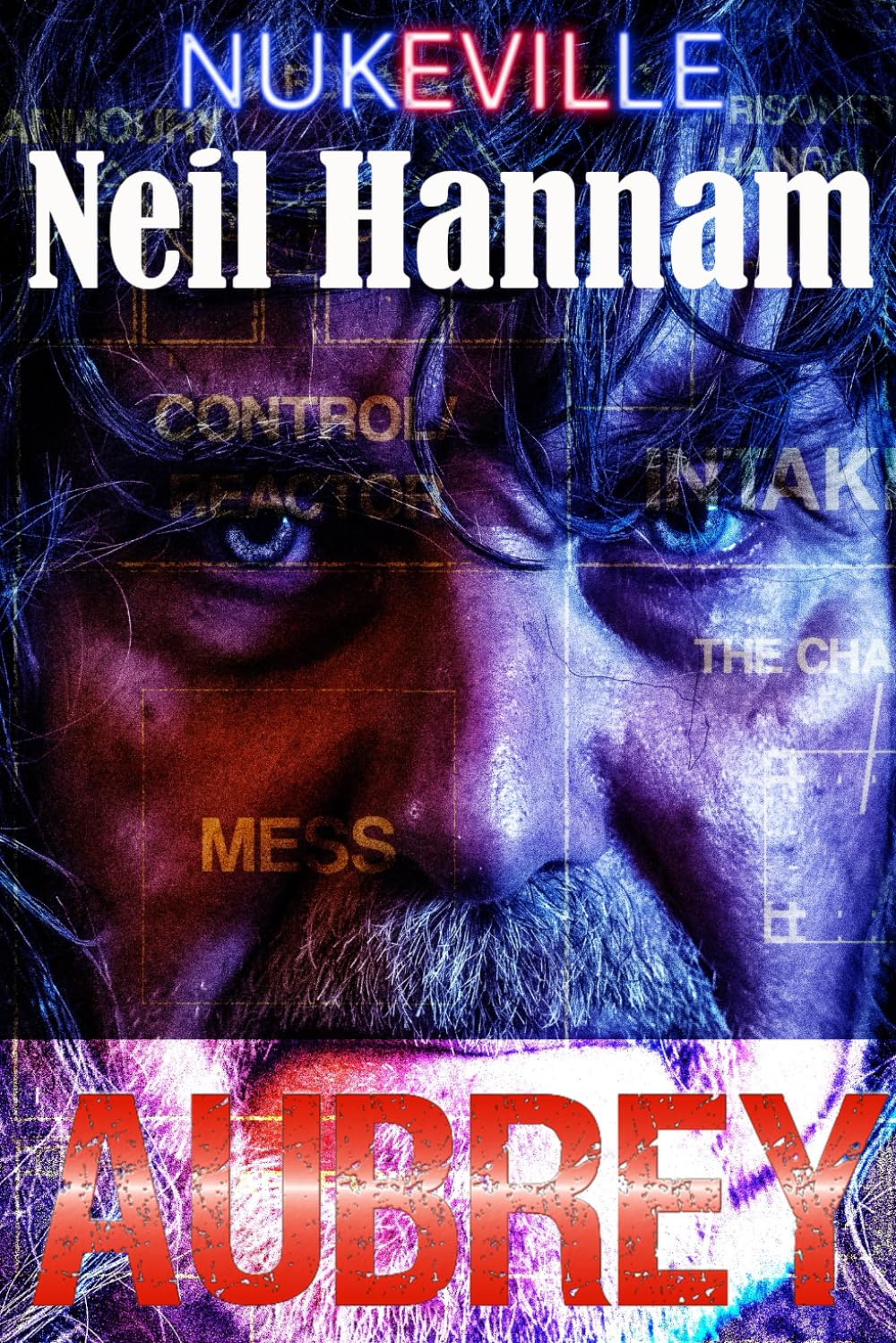
From the opening chapters, the manhunt for Aubrey plays out in storm-ravaged Norfolk woodlands where communication systems fail, aerial support burns fuel in vain, and rain washes away what little evidence remains. The hunt is visceral and raw. PC Ross Redman, his brother Jack, and their superior Sergeant Paul Stewart, are not armed with high-tech gadgets or cinematic bravado. They are soaked, slipping in mud, unsure of their direction, and increasingly on edge. Betty, the German Shepherd tracker dog, often seems the only one with unwavering purpose.
This realism is where Hannam excels. The book strips away the glamor of policing and replaces it with weighty gear, poor visibility, and exhaustion. The officers don’t just fear Aubrey—their fear is compounded by the unknown. The storm. The breakdown in communication. The silence from Command. These aren’t just atmospheric details; they reflect the psychological toll on those tasked with maintaining order in a world teetering toward chaos.
More than once, Hannam reveals tension within the team. Ross and Jack argue, voices raised and fists clenched. There are flashes of insecurity, bravado masking fear, and moments of doubt that feel alarmingly honest. These men are not bulletproof. They are sons, brothers, colleagues—people trying to uphold a duty that grows more impossible by the hour. Sergeant Stewart does his best to maintain authority, but even he is battling a creeping sense of helplessness.
This breakdown of chain-of-command mirrors the larger societal breakdown happening across the country. With a pandemic decimating the population and scientific institutions struggling to keep up, the burden of frontline defense falls on individuals like Ross and Jack—young officers unprepared for the scale and complexity of what they’re facing.
Hannam doesn’t just portray the physical strain. He shows how fear seeps in, how miscommunication leads to rash decisions, and how hope begins to flicker out when support systems fail. And yet, there’s perseverance. These characters continue to move forward, clinging to protocol and training like a lifeline. In a world unraveling, their persistence becomes a kind of defiance.
Beyond the immediate drama, AUBREY: Nukeville challenges readers to rethink their understanding of heroism. It’s not found in one-liners or flawless execution. It’s in trudging through cold rain, trusting a dog’s instincts, and searching for a man who could be watching from the shadows. It’s about staying upright when everything around you is collapsing.
Hannam’s law enforcement officers are imperfect and often overwhelmed—but they’re real. They’re the glue barely holding together a system that’s cracking under pressure. And in that realism, the story finds its emotional core. As society veers closer to collapse, it is not superhumans who carry the load. It’s flawed, frightened, determined people who wake up and try anyway.