At the very centre of Aubrey: Nukeville Book 1 by Neil Hannam is a crisis that mirrors the horror speed of a real-world disaster—a cancer pandemic tearing apart the UK with pitiless effect. Old styles of research, analysis, and clinical trials topple under pressure of time. Neil Hannam provides a horrifically true illustration of a community of scientists snowed under a disease that races ahead of statistics’ ability to keep up with it. The researchers aren’t battling an infection now—they’re battling irrelevance, exhaustion, and the limits of human tolerance.
The novel describes Dr. Bill Bonny and his group as lab-coated warriors, overwhelmed by an avalanche of failed samples and half-baked results. In Aubrey: Nukeville Book 1, Neil Hannam adeptly illustrates how research, normally systematic and slow-paced, gets desperate and tenuous when lives are lost minute by minute. The researchers sort through more than 150,000 samples, each a stark reminder that no cure, no epiphany, is arriving soon enough. It’s a gut reminder that science, as omnipotent as it is, cannot withstand the collapse of steady pressure.
Even with the round-the-clock work of Bill Bonny’s team, the laboratory at the Francis Crick Institute becomes a haunted space by failure. In Aubrey: Nukeville Book 1, Neil Hannam is not afraid to reveal the emotional toll of discovery desperation. Scientists work on with growing hopelessness, optimism worn down by declining results and mounting pressure. In this environment, hope is not only a luxury—it’s a liability. It blinds scientists to the fact that they might be racing against time and losing.
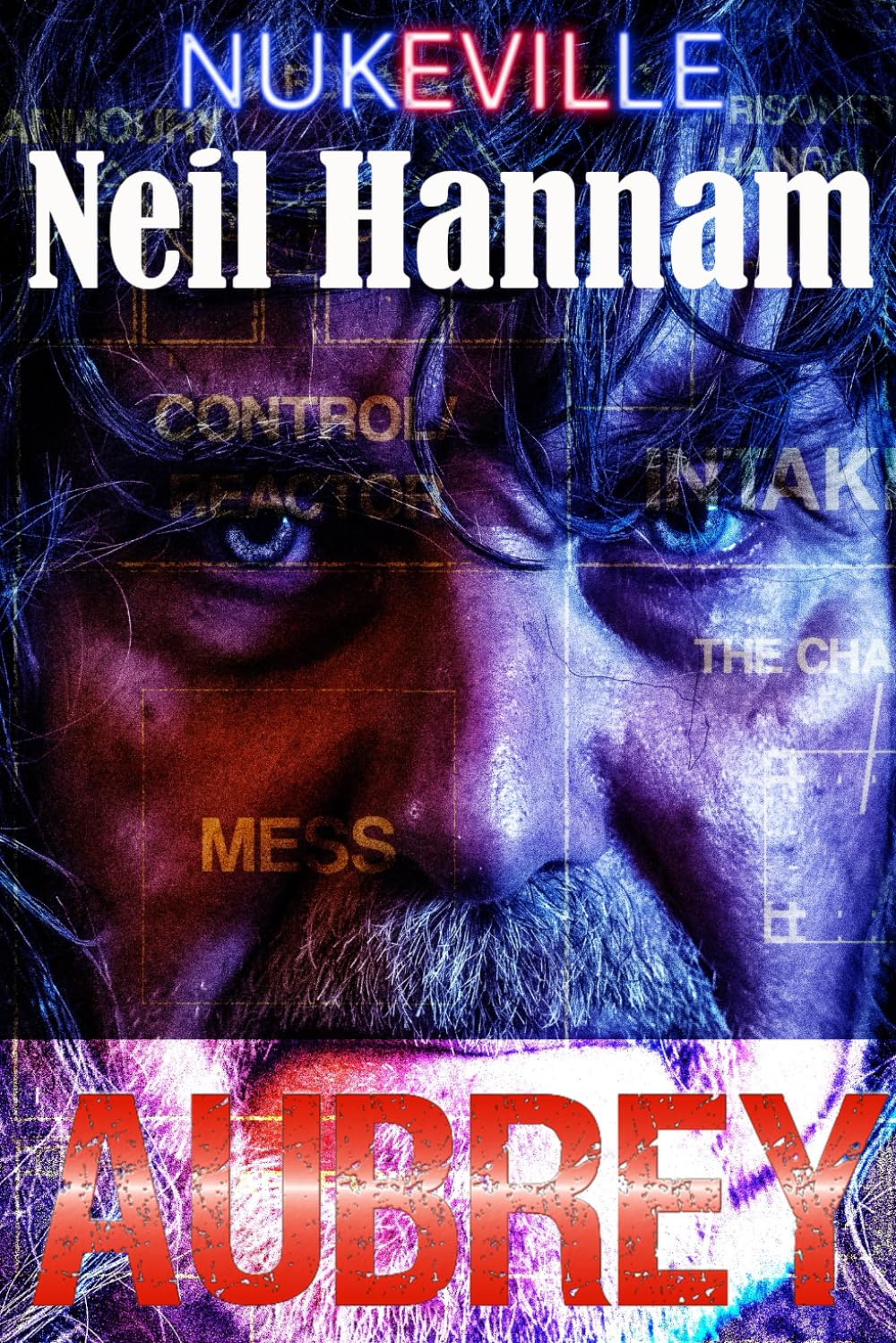
One of the most chilling strands in Aubrey: Nukeville Book 1 is the increasing rumor of a government-funded Special Tactical Scientific Unit (STSU), which allegedly carries out experimental work without ethical controls. Neil Hannam strikes a frightening “what if” situation—what happens when science that is ethical is too slow? When desperation drives decisions, boundaries get crossed. Human experimentation, military intervention, and bioengineering shortcuts start to make sense. Hannam’s vision leads readers to ponder how quickly ideals can be breached when results are required instead of found.
Feelings of loneliness pervade both the characters and the world in which they toil. Neil Hannam in Aubrey: Nukeville Book 1 conveys the psychological cost of ongoing failure and disconnection with the world beyond. Dr. Bonny, once full of purpose, is now beset by fatigue and uncertainty. The laboratory staff has dwindled to a few, and their personal tension reflects the global disintegration outside. The microscope can provide definition, but the future is eerily unclear.
Most poignantly, Aubrey: Nukeville Book 1 depicts how brilliant scientific minds are no less human. Neil Hannam presents Bill Bonny as a man saddled with not only the science, but with a nation’s hope for survival. Each test that fails, each report that is inconclusive, is a personal failure. He is representative of all of those in medicine and research who bear the invisible burden of lives they were not able to save. Hannam’s writing is not simply about data—it humanizes it.
In Aubrey: Nukeville Book 1, Neil Hannam makes us remember that science is not always a superhero in a cape. At other times, it is a weary, exhausted figure slumped over a desk, struggling against sleep and futility in equal proportions. When information doesn’t deliver and time is the enemy, desperation doesn’t creep in—it takes over. Hannam’s portrayal is a sobering reminder of what occurs when the world demands miracles from science but only offers chaos in return.